

 Health & Beauty


.png) Art & Painting
Art & Painting Hot Deals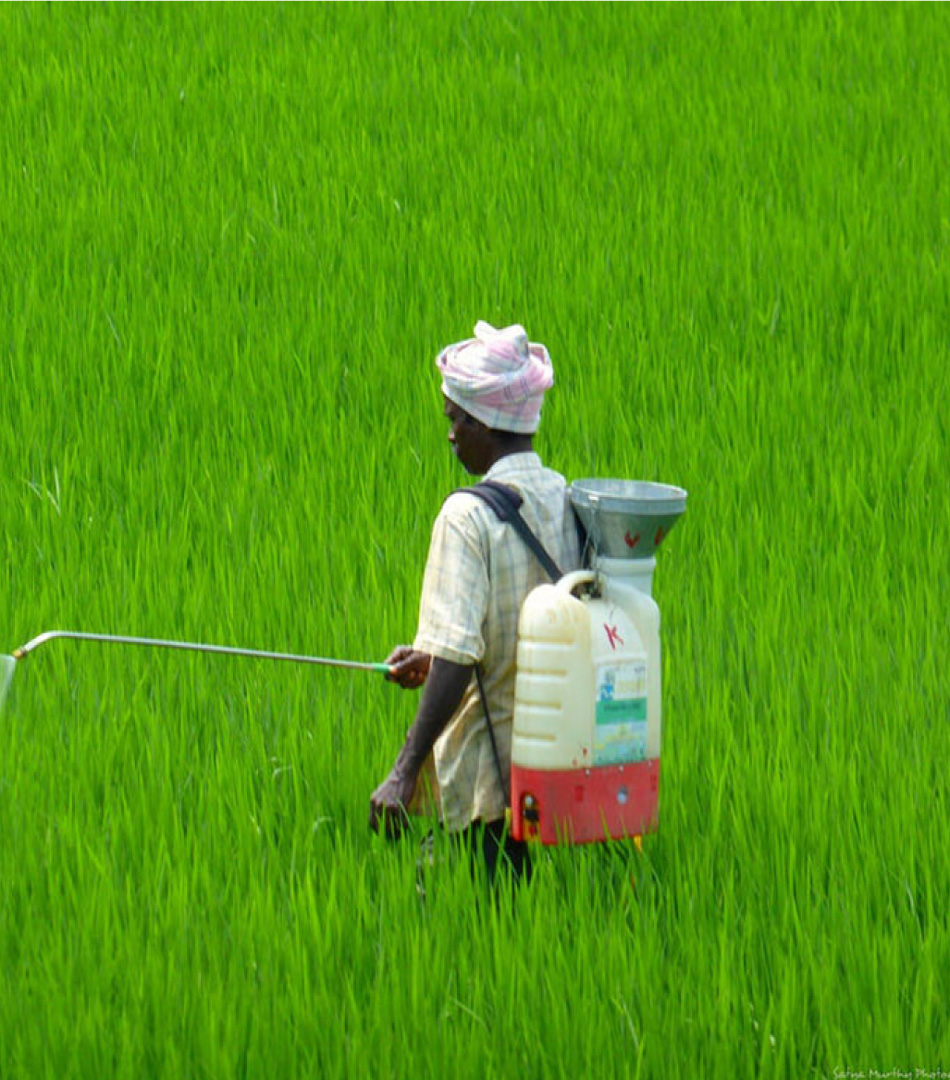
.png)

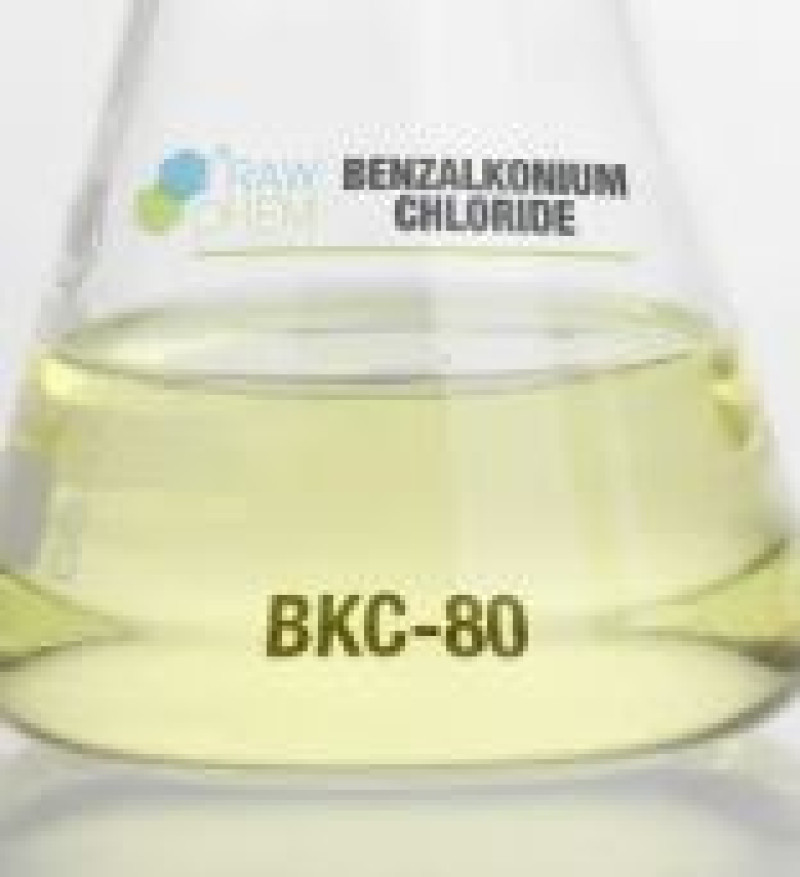
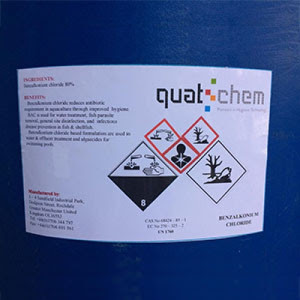
BKC 80-INDIA
Price :
৳12500
Size :
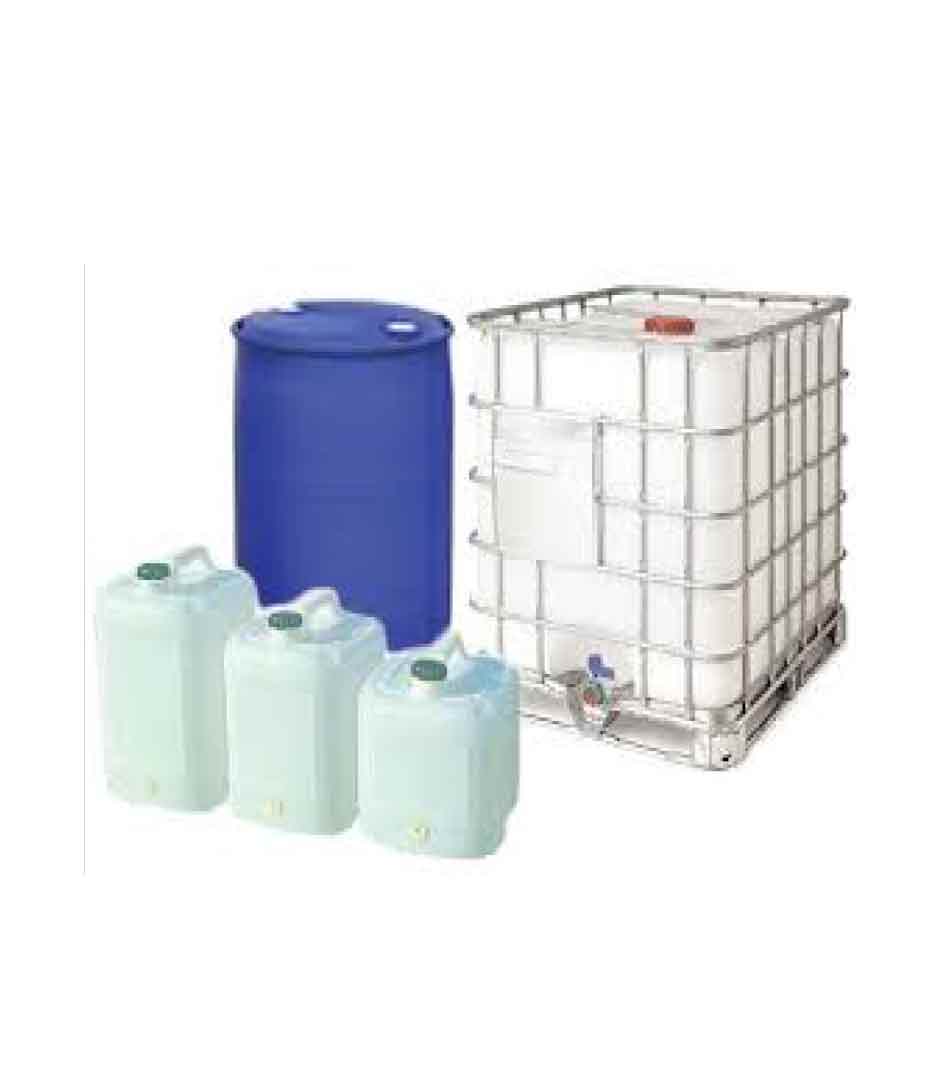
- 25 ltr
- 200
Estimated Shipping Time: 4-5 days (Call for Whole sell)
Uses: Fisheries RAW Materials
Product SKU: WLz1451GzD
BKC (Benzalkonium Chloride) in Agrochemicals
Description:
BKC is a cationic surfactant and disinfectant commonly used in various industries, including agriculture.
It's a mixture of benzylammonium alkyldimethyl chlorides, where the alkyl group typically contains 8 to 18 carbon atoms.
Uses in Agrochemicals:
Fungicide: BKC exhibits fungicidal properties, making it effective against a range of fungal pathogens that can infect crops.
Bactericide: It also possesses bactericidal activity, helping to control bacterial diseases in plants.
Algaecide: BKC can inhibit the growth of algae in irrigation systems and aquaculture ponds, promoting better water quality.
Disinfectant: It's used to disinfect farm equipment, tools, and surfaces to prevent the spread of diseases.
Seed Treatment: BKC can be used to treat seeds to control fungal and bacterial infections before planting.
Benefits of Using BKC in Agrochemicals:
Broad-spectrum activity: Effective against a wide range of microorganisms.
Low toxicity: Relatively safe for plants and the environment when used at recommended concentrations.
Cost-effective: A relatively inexpensive option for controlling various pathogens.
Easy to use: Can be applied in various ways, including spraying, dipping, and drenching.
Important Considerations:
Concentration: The concentration of BKC used in agrochemicals should be carefully controlled to avoid phytotoxicity (harm to plants).
Compatibility: BKC may not be compatible with all pesticides and fertilizers, so compatibility tests should be conducted before mixing.
Environmental impact: While generally considered safe, BKC can still have some environmental impact, so it's important to use it responsibly and follow recommended application rates.
Properties:
- Water soluble.
- Cationic surfactant.
- Non-oxidizing .
- Anti-bacteria.
Country of Origin: INDIA
Ratings & Reviews
0.0
No Review Found.
Seller's Products
Related Products
৳93.58
Dolomait Powder
৳675.88 ৳727.87
Bentonite Powder - 1 kg
৳2287.6
Dolomait Powder
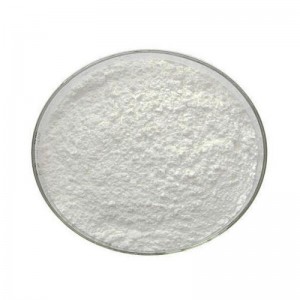
DCP (Dry Chemical Powder)
৳155.97
DCP (Dry Chemical Powder)
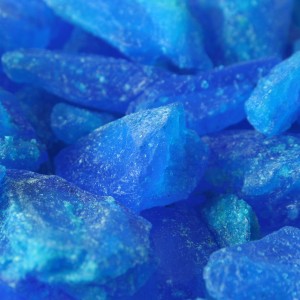
copper sulfate
৳603.1
Copper Sulfate
৳1559.73
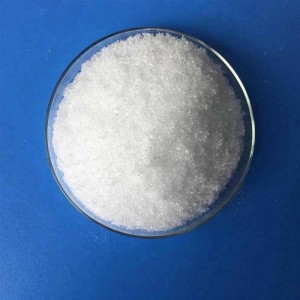
Dipotassium hydrogen phosphate
৳207.96
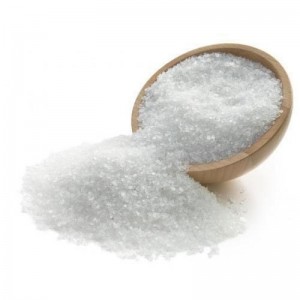
Potassium chloride

Login To Comment