

 Health & Beauty


.png) Art & Painting
Art & Painting Hot Deals
.png)



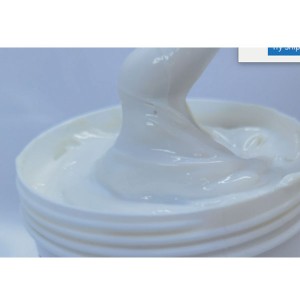
Fixing Agent
Price :
৳1567.32
Size :
- 1 KG
Estimated Shipping Time: 2 Days
Uses: Dye fixing , Photo fixing
Product SKU: d2S5354ow0
Fixing Agent
Description :
A fixing agent is a chemical compound used to stabilize or set other substances, making them permanent or resistant to change. The specific action of a fixing agent depends on its application. In general, they work by creating chemical bonds or insoluble compounds that lock the target substance in place.
uses :
-
1. Textile Industry:
- ** Enhancing color fastness: Fixing agents react with dye molecules to form strong bonds with textile fibers, preventing the dye from bleeding, fading, or washing out.
- ** Improving wash fastness: Treated fabrics can withstand repeated washing cycles without significant color loss.
- ** Preventing dye migration: They ensure colors stay within their intended areas, resulting in sharper designs.
-
2. Photography:
- ** Removing unexposed silver halides: In traditional film and paper processing, fixing agents dissolve the silver halide crystals that were not converted to metallic silver during development.
- ** Making the image permanent: By removing the light-sensitive silver halides, the developed silver image becomes stable and no longer reacts to light.
- **Clearing the film or paper: The fixing process makes the transparent areas of film clear and the non-image areas of paper white.
-
3. Histology and Microscopy:
- ** Preserving tissue structure: Fixing agents cross-link proteins in biological tissues, preventing degradation and maintaining cellular architecture for microscopic examination.
- ** Preventing autolysis: They inactivate enzymes that would otherwise break down the tissue after removal from the organism.
- **Hardening tissues: Some fixing agents increase the rigidity of tissues, making them easier to section for slide preparation.
If you'd like to know more about this chemical or need any analysis report regarding this chemical then contact us support@echem.com.bd.
If you'd like to know more about this chemical or need any analysis
report regarding this chemical then contact us support@echem.com.bd.Ratings & Reviews
0.0
No Review Found.




Login To Comment